Tale · A way to begin
Azul…
Not translated into English
Rubén Darío · 1888
Synopsis
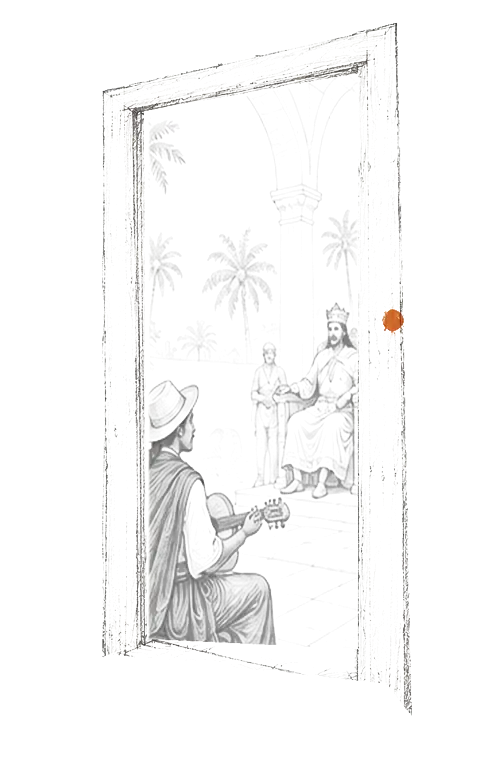
Nine prose tales, scenes of Chile, then a series of poems. In “The Bourgeois King”, a starving poet is admitted to the palace of a king who collects knick-knacks and understands nothing of his verse; in “The Veil of Queen Mab”, a sculptor, a painter, a musician and a poet complain of their lot in a garret; in “The Song of Gold”, a ragged poet sings a bitter hymn to gold before the houses of the rich. The verses of “The Lyrical Year” follow the seasons, from springtime love to a pair of tigers and a winter night by the fireside.
Context
The tales and verses had first appeared, between the end of 1886 and the middle of 1888, in newspapers and magazines of Santiago, including La Época and the Revista de Artes y Letras. The volume came out on 30 July 1888 from the Excelsior press in Valparaíso, dedicated to Federico Varela and opened by a prologue by Eduardo de la Barra placed under a phrase of Victor Hugo, “L'art c'est l'azur”. The Chilean reception was at first muted. A copy handed to Juan Valera through the Spanish consul earned the book two letters from the critic, which open the second, expanded edition, published in Guatemala in 1890.
Who it is for
A collection of tales and short poems, which can be read separately; the prose, simple and direct, draws its subjects from mythology, France and Asia.
Prizes and reception
Praised as early as 1888 by Juan Valera in two letters published in Madrid, it is regarded as the book that opens Spanish American modernismo.
Sources for this page 7
The pages consulted to check this page.