Poetry · A way to begin
Song of Lawino: A Lament
Okot p'Bitek · 1966
Synopsis
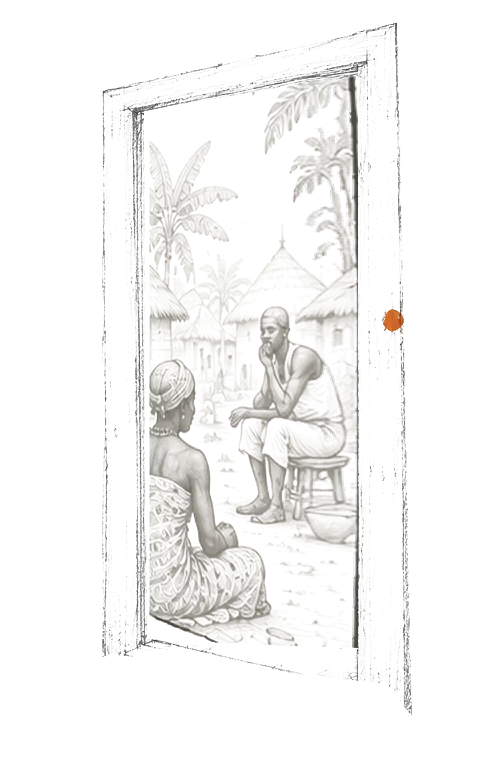
Lawino addresses her husband Ocol, who has taken a second wife, Clementine, known as Tina, and who now despises everything that comes from his own people. More than the infidelity, she reproaches him for this contempt, and chapter after chapter she defends Acholi culture: the dances, which he finds shameful, cooking on a wood fire against the stove, the time of the seasons against the clock, the religion of the ancestors against the contradictions of the missionaries. Her lament becomes a satire of the Western-educated elite.
Context
The English version appeared in Nairobi in 1966, without the fourteenth chapter; the complete Acholi text, Wer pa Lawino, was published in 1969. The author then gave the husband's reply, Song of Ocol. Taban Lo Liyong translated the missing chapter in 1993, then the whole work in 2001. In French, the book appeared in 1983 from Présence africaine, in the translation by Frank and Henriette Gauduchon. Ngũgĩ wa Thiong'o heard in it the voice of the peasantry against a class that imitates the West.
Who it is for
A long spoken poem, strongly rhythmic, easy to follow; it is best read aloud, and in one sitting.
Prizes and reception
It has become one of the most widely read African literary works, and an emblematic text across the continent.