Novel · A way to begin
Noli Me Tangere
Noli me tángere
José Rizal · 1887
Synopsis
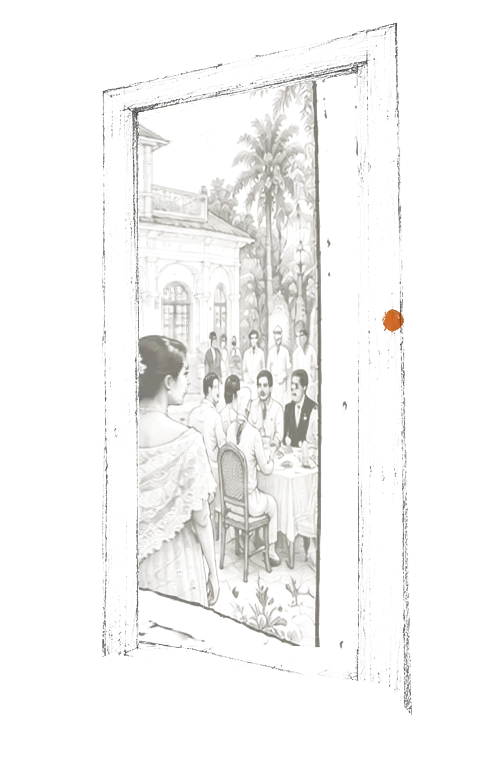
The novel opens on a dinner at the house of the wealthy Capitán Tiago, where Crisóstomo Ibarra, returned from Europe, faces the arrogance of the Franciscan Dámaso. Around his fiancée María Clara and the town of San Diego appear figures that every Filipino reader knows: Sisa, a mother driven mad by the disappearance of her two sacristan sons, the old philosopher Tasio, the boatman Elías, the civil guard officer and his wife doña Consolación, and Father Salví, who watches María Clara.
Context
The novel appeared in Berlin in March 1887, in a print run of two thousand copies paid for by a friend, Máximo Viola, for lack of a publisher elsewhere. Its title takes up the words of the risen Christ to Mary Magdalene in the Gospel of John. It was immediately banned in the archipelago, where possessing it meant prison, and it circulated clandestinely; its sequel, El filibusterismo, appeared in Ghent in 1891, four years later.
Who it is for
A long, satirical novel with many typed characters. The context of the domination of the religious orders is explained as the pages go by.
Prizes and reception
Banned under Spanish rule, it is now compulsory reading in all Philippine high schools by a law of 1956.