Poetry
La rosa blindada
Not translated into English
Raúl González Tuñón · 1936
Synopsis
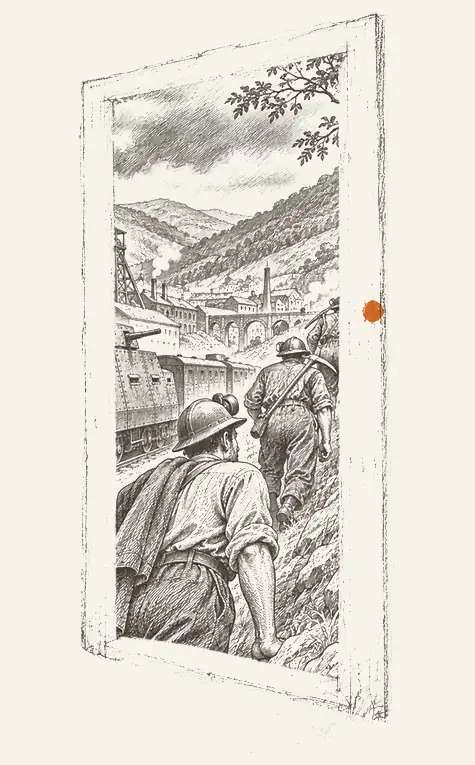
The collection centres on the miners' insurrection in Asturias in October 1934, according to María Fernanda Alle; the Buenos Aires municipal website says it was born of the repression of their strike. It opens with a manifesto, “A nosotros la poesía”, and includes “El tren blindado de Mieres”, “La libertaria”, devoted to Aída Lafuente, and “La muerte del Roxu”. The poet addresses a mass of people whom he wants to raise to culture, and the defeated insurrection becomes a bridge of blood towards the revolution to come.
Context
The collection appeared in 1936 in Buenos Aires, at the Federación Gráfica Bonaerense, and Alle sees in it the first of the author's books linked to the Spanish drama, before those of the civil war. It returns to the romance and the copla and seeks a rhythm of song and march; in January 1936, workers in Madrid wrote asking to read the poem of the armoured train. Página/12 recalls that this poetry was called pamphleteering on the right as on the left, and a magazine of the sixties took its title.
Who it is for
Poems in Spanish, close to popular song, about an episode of 1934; no known French translation.
Prizes and reception
The collection that opens, according to the scholar María Fernanda Alle, a new stage in its author's poetry, turned towards anti-fascism.
Sources for this page 4
The pages consulted to check this page.